One of the most topical issues today is climate change. For the first time in human civilisation we are facing the destruction of our habitat.
The Anthropocene Epoch is an unofficial unit of geologic time, used to describe the most recent period in Earth’s history when human activity started to have a significant impact on the planet’s climate and ecosystems. We are now living in an era where the environment is being shaped by humankind, rather than the other way around. Some of the changes we have caused include global warming, habitat loss, changes in the chemical composition of the atmosphere, oceans and soil, and animal extinctions. We all have a responsibility to consider or individual behaviour in response to this knowledge.

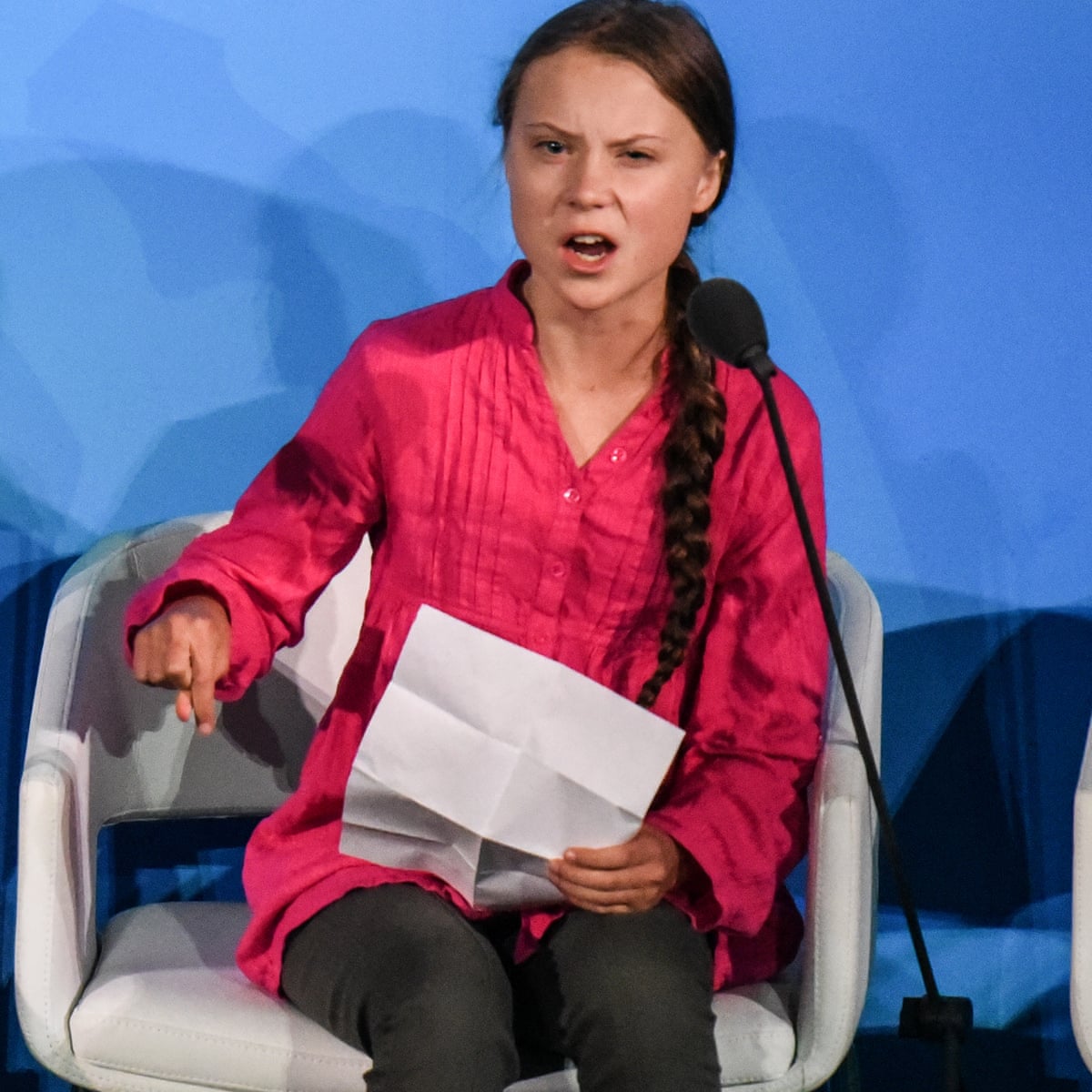
Climate activist Greta Thunberg has brought attention to this issue and calls on us all to act aginst climate change. Her powerful speeches call on world leaders to take responsibility and act to fight against this urgent problem. In 2019 she delivered an emotional a speech at the U.N.’s Climate Action Summit in New York City where she stated “Entire ecosystems are collapsing. We are in the beginning of a mass extinction, and all you can talk about is money and fairy tales of eternal economic growth. How dare you!”. This guilt provoking speech went viral and roused a massive youth-led climate rally.
In our group project we have addressed the issue of climate change in a number of areas. In my section of the presentation I speak about the future of office work. With the increase in remote work in this particular area, the number of people commuting to work will decrease and as a result this will cause less fossil fuels to be released into the atmosphere. Currently, Ireland’s transport C02 emissions per capita are 40% higher than the EU average. Irish cities are amongst the most congested in the world; Dublin is the 17th most congested city in the world.
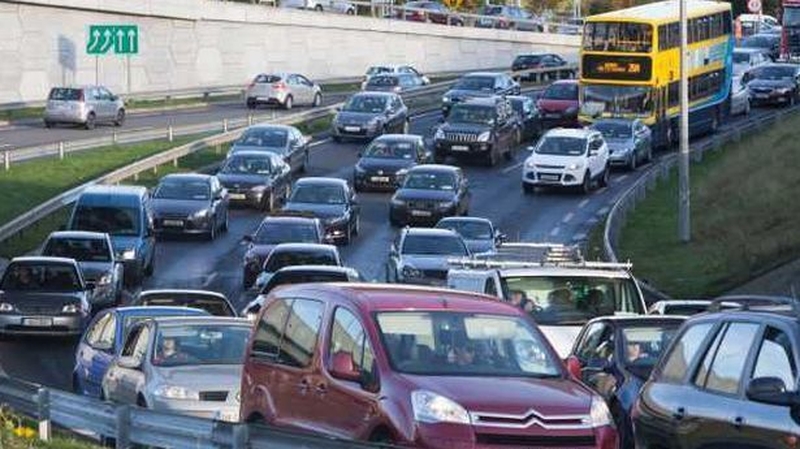
The most common reason for making a journey in Ireland is to travel to and from work and 66% of these work trips are made by car. Even with policies made as an attempt to reduce this, the emissions from road transport are projected to grow in the future. However, since the Covid-19 pandemic has caused many to work from home, the CO2 emmissions have decreased drastically. With the growth in popularity in remote work, our CO2 emissions due to travel are bound to decrease in the future. In the presentation I also speak about the possibility of a four day workweek and the positive impact that would have on the environment as it would contribute further to the decrease in greenhouse gas emissions due to less work commutes. Another area where climate change is addressed in the project is in Ava’s slides where she discusses the fashion industry, and the environmental impacts it has.
That’s all for now, thanks for reading!
Monald.
published 29/04/21
References:
Edwards, L.E. (2015). What is the Anthropocene? EOS. Retrieved 2021, April 29, from https://eos.org/opinions/what-is-the-anthropocene
Myers, J. (2016, August 31). What is the Anthropocene? And why does it matter? World Economic Forum. Retrieved 2021, April 29, from https://www.weforum.org/agenda/2016/08/what-is-the-anthropocene-and-why-does-it-matter/
Ellis, E. (2016). Involve Social Scientists in Defining the Anthropocene. Nature 540 192-193. Retrieved 2021, February 2, from https://www.nature.com/news/involve-social-scientists-in-defining-the-anthropocene-1.21090
Geographic, National. 2021. “Anthropocene”. National Geographic Society. https://www.nationalgeographic.org/encyclopedia/anthropocene/#:~:text=The%20Anthropocene%20Epoch%20is%20an,the%20planet’s%20climate%20and%20ecosystems.
Thunberg, Greta. 2019. “Transcript Of Greta Thunberg’s UN Speech”. Npr.Org. https://www.npr.org/2019/09/23/763452863/transcript-greta-thunbergs-speech-at-the-u-n-climate-action-summit.
Crowley, Frank. 2020. “Will Working From Home Help Save The Environment?”. RTE.Ie. https://www.rte.ie/brainstorm/2020/0617/1148039-working-from-home-commuting-climate-change-coronavirus/.
Images:
Traffic :https://img.rasset.ie/00134564-800.jpg
Geological timeline: https://www.nature.com/news/polopoly_fs/7.40919.1480680291!/image/Anthropogenic_comment_timeline_WEB.jpg_gen/derivatives/landscape_630/Anthropogenic_comment_timeline_WEB.jpg
 Monald's Adventures